
When a 20kW Three-Phase ESS Is the Right Choice
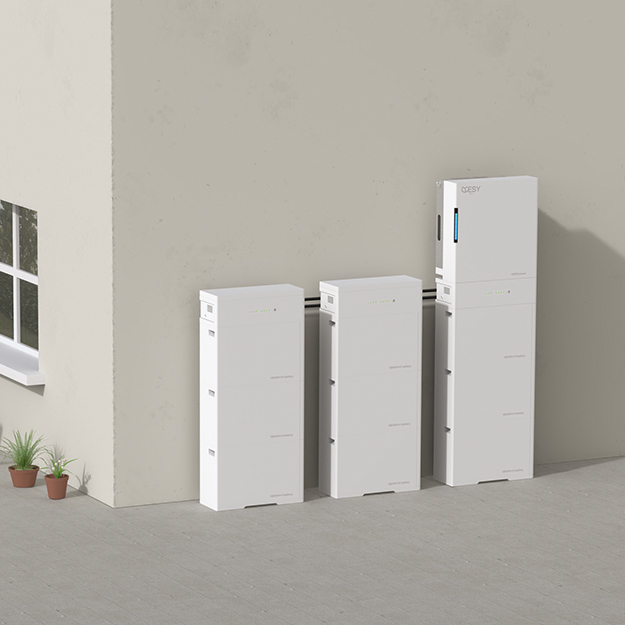
A 20kW three-phase ESS is suitable for properties with high electricity demand, three-phase power systems, and renewable energy plans requiring stronger output capacity. It is commonly selected for large homes, farms, workshops, and small commercial buildings where loads such as EV chargers, heat pumps, HVAC systems, and machinery operate together. Compared with 5–10kW residential storage systems, a 20kW ESS can provide higher power output, better phase balance, and improved compatibility with 400V electrical networks.
A 20kW three-phase ESS is usually considered when a building’s peak electricity demand approaches the limit of standard residential battery systems. Many modern properties have multiple high-power devices operating at the same time. An air-source heat pump may require 3–8kW, an EV charger can use 7–11kW, and electric water heating systems may add another 3–6kW. When several loads run together, a smaller inverter may not provide enough output.
A 20kW inverter can supply approximately 20kWh of power output per hour, but battery capacity determines how long that power can be maintained. For example, a 40kWh battery paired with a 20kW inverter can theoretically provide about 2 hours of full output before considering efficiency losses.
The difference between power rating and battery capacity is important during system planning. A 20kW ESS may be paired with different battery sizes depending on the application. A home requiring short backup periods may use 20–40kWh storage, while a commercial site needing longer operation may install 60–100kWh or more. Most modern lithium iron phosphate (LFP) systems operate within an 80–90% usable capacity range to maintain battery lifespan.
Three-phase systems provide advantages when electrical demand is distributed across multiple circuits. In a 400V three-phase configuration, a 20kW load requires approximately 29A per phase, while the same output on a 230V single-phase system can exceed 85A. Lower current levels reduce cable heating and voltage drop, especially when the battery system is installed far from the main electrical panel.
| System type | Typical output | Suitable applications |
|---|---|---|
| Single-phase ESS | 3–10kW | Small homes, basic backup |
| High-power single-phase ESS | 10–15kW | Larger residential properties |
| 20kW three-phase ESS | 20kW | Large homes, farms, workshops, commercial buildings |
| 30kW+ commercial ESS | 30kW or higher | Larger facilities and industrial loads |
The electrical advantages of three-phase systems become more useful when renewable energy generation is added. Many properties installed photovoltaic systems between 15kW and 30kW after 2020 because electricity consumption increased from EV adoption and electric heating. A 25kW solar array in an area receiving around 4–5 peak sunlight hours per day can generate approximately 100kWh of electricity daily.
Without storage, solar production often reaches its highest level around midday when household consumption is lower. A 20kW ESS can store excess solar energy and supply electricity during evening periods when demand increases. In many residential solar projects, storage can increase self-consumption rates from around 50–70% to more than 80–90%, depending on local weather conditions and household usage patterns.
For properties with large solar installations, inverter compatibility becomes an important consideration. The battery inverter must handle both charging power from solar generation and discharge power during electricity demand periods. The ESYsunhome HM20 is designed for higher-power residential applications where three-phase output and larger energy storage capacity are required.
A 20kW three-phase ESS is also used for reducing electricity costs in commercial buildings. Many electricity providers calculate charges based on peak demand periods, often using the highest 15-minute or 30-minute consumption interval during a billing cycle. If a building experiences repeated demand peaks, battery discharge during those periods can reduce grid power usage.
For example, a small commercial building with a normal demand of 50kW may experience temporary peaks of 70kW when HVAC systems, kitchen equipment, and machinery operate together. A 20kW ESS can supply part of this additional demand and reduce peak grid consumption. In some markets, demand-related charges account for 20–40% of a commercial electricity bill, making energy storage more attractive.
The application range of a 20kW system includes several property types:
-
Large residential homes above 250–400m² with high electricity consumption.
-
Rural properties using electric pumps, heating systems, and agricultural equipment.
-
Workshops requiring stable power for tools and machines.
-
Small businesses needing backup power for refrigeration, servers, or communication equipment.
-
Buildings with solar PV systems above 15kW.
Backup power requirements also influence system selection. A standard home battery may support lighting, internet equipment, and several household appliances, but larger properties often require more output. A 20kW ESS can support multiple circuits during outages when configured with appropriate backup distribution equipment.
A backup system should be designed around actual essential loads rather than the total connected load. Many installations operate more efficiently by supporting selected circuits such as refrigeration, heating, communication systems, and security equipment.
Battery technology has improved significantly since 2015, especially with wider adoption of LFP chemistry. Modern LFP batteries commonly achieve 6,000–10,000 charging cycles under suitable operating conditions. With one full cycle per day, this can represent approximately 16–27 years of cycle capability, although real service life is also affected by temperature, charging limits, and maintenance.
Temperature management is another factor in large ESS installations. Battery performance is generally optimized around 15–30°C. In outdoor installations, manufacturers often include heating and cooling systems to maintain operating conditions. A well-managed battery enclosure can improve capacity retention and reduce aging compared with systems exposed to extreme temperatures.
System sizing should also consider future electricity changes. A property using 25kWh per day today may increase consumption after adding an EV, heat pump, or additional appliances. Electricity consumption in many households increased by 20–50% after vehicle electrification and electric heating upgrades. Installing a 20kW three-phase ESS provides additional capacity for these future changes.
A smaller system may be more suitable when electricity demand remains low. Properties using less than 10,000kWh annually and without large electrical equipment may not require 20kW output. Oversizing the inverter can increase installation costs and leave unused capacity for much of the year.
| Consideration | 20kW three-phase ESS requirement |
|---|---|
| Annual electricity use | Usually above 20,000kWh |
| Solar PV size | Commonly 15–30kW |
| Electrical connection | Three-phase supply |
| Battery capacity | Often 40–100kWh |
| Main loads | EV charging, HVAC, pumps, machinery |
| Backup requirement | Medium to high power demand |
A 20kW three-phase ESS fits properties where electricity demand, solar generation, and backup requirements are higher than typical residential levels. It provides enough output for multiple high-power devices while allowing battery capacity to be expanded according to future electricity needs. For buildings already using three-phase power and planning larger renewable energy systems, this configuration offers a practical balance between installation size, performance, and long-term usability.
Got a lot that needs work before the next tenant turn?
Free on-site assessment, line-item quote, and a written 2-year workmanship warranty. Self-performed crews, no subs.